Get Vapor Barrier Installation
Vapor barrier installation services help property owners prevent moisture issues, mold growth, and structural damage in projects like basements, crawl spaces, and attics by connecting them with experienced local contractors.
Property owners considering vapor barrier installation often seek practical solutions to protect their buildings from moisture issues, mold growth, and structural damage. Installing a vapor barrier can be an important step in managing indoor air quality and ensuring the longevity of a property’s foundation, especially in areas prone to high humidity or basement moisture. Exploring local contractors who specialize in vapor barrier services can help property owners compare options and find solutions tailored to their specific needs.
By reviewing available local service providers, property owners can gather information on different approaches and expertise in vapor barrier installation. This planning stage allows for informed decisions and helps identify experienced contractors capable of handling the job efficiently. Continuing to explore local options ensures that property owners are well-equipped to select the right professionals for their vapor barrier projects.
- Basement Waterproofing - homeowners needing to prevent moisture intrusion and protect foundation integrity may require vapor barrier installation.
- New Construction Projects - builders and contractors often need vapor barriers installed during the framing stage to ensure proper moisture control.
- Foundation Repairs - properties undergoing foundation stabilization or repair might need vapor barriers to improve indoor air quality and prevent future issues.
- Commercial Building Maintenance - business property managers may seek vapor barrier services to maintain a healthy environment and comply with building standards.
- Renovation and Remodeling - those updating or finishing basements and crawl spaces might require vapor barriers to ensure a moisture-controlled environment.
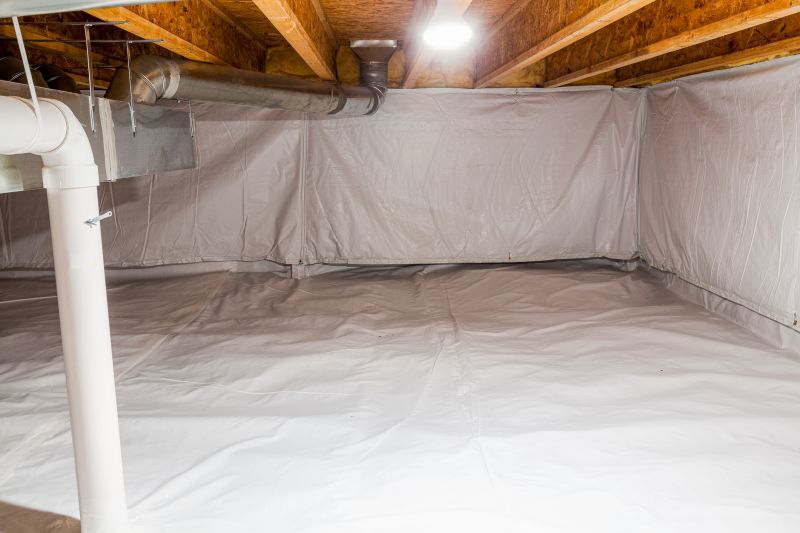
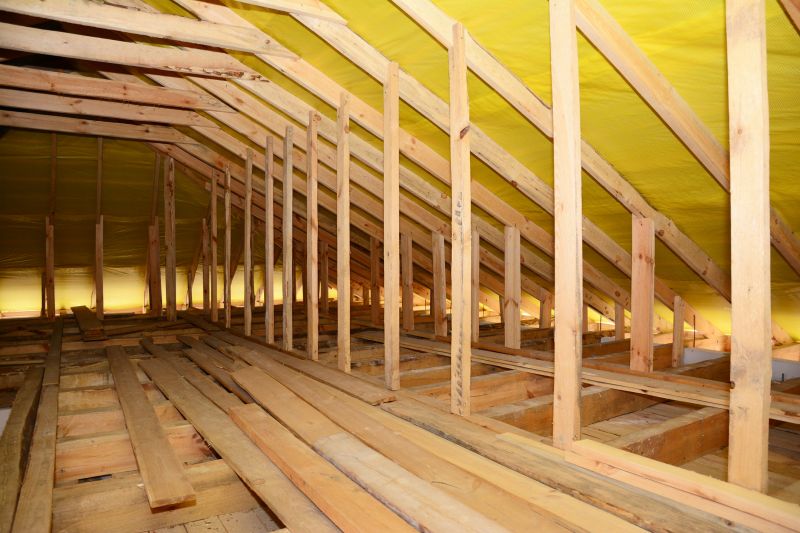
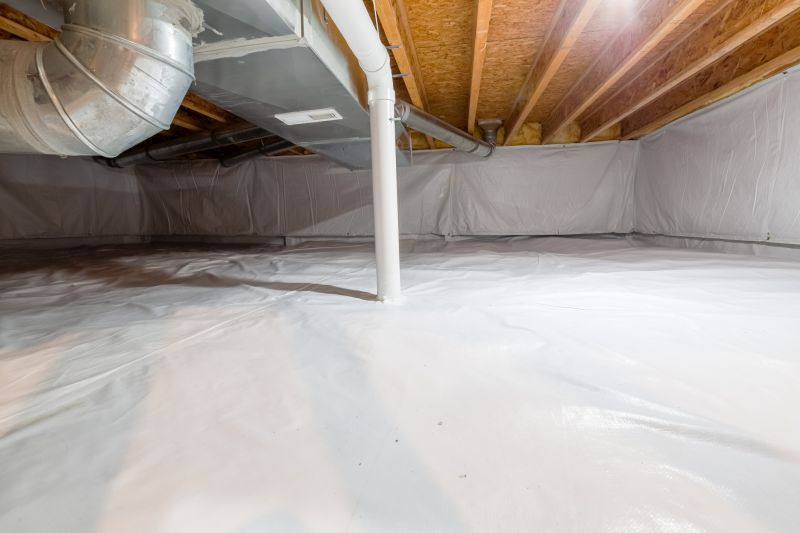
Vapor barrier installation involves placing a specialized sheet or membrane within walls, floors, or ceilings to prevent moisture from passing through. This process typically includes assessing the property to identify areas prone to moisture buildup, then securely installing the barrier to block the transfer of water vapor. Proper installation helps protect building materials from damage caused by excess moisture, such as mold growth, wood rot, or deterioration of insulation. By controlling moisture levels, vapor barriers contribute to a healthier indoor environment and help maintain the structural integrity of the property over time.
Many common problems faced by homeowners make vapor barrier installation a practical solution. Excess humidity, condensation on windows or walls, and musty odors often indicate moisture issues that can lead to more serious damage if left unaddressed. In areas like basements, crawl spaces, or attics, moisture intrusion can be particularly problematic, resulting in increased energy costs and compromised comfort. Installing a vapor barrier can effectively reduce these issues by creating a moisture-resistant barrier that keeps indoor spaces dry and prevents the buildup of mold and mildew.
Vapor barriers are frequently used in residential properties, especially in spaces susceptible to moisture exposure. Basements and crawl spaces are prime candidates, as they often face high humidity levels and potential water seepage. Attics and walls in humid climates may also benefit from vapor barrier installation to prevent condensation and insulation damage. Additionally, properties undergoing renovations or additions often incorporate vapor barriers to ensure moisture control is maintained throughout the building. Service providers who specialize in vapor barrier installation can evaluate each property's unique needs and recommend the most suitable solutions.
Homeowners who notice signs of excess moisture, such as peeling paint, water stains, or a persistent musty smell, may want to consider vapor barrier installation. This service is also beneficial for those planning to finish or remodel areas prone to dampness, or for properties located in regions with high humidity or frequent rainfall. By working with experienced local contractors, homeowners can ensure proper installation that effectively manages moisture levels. Connecting with qualified service providers can help address existing issues and prevent future moisture-related problems, safeguarding the property’s longevity and indoor air quality.
The overview below groups typical Vapor Barrier Installation projects into broad ranges so you can see how smaller, mid-sized, and larger jobs often compare in your area.
In many markets, a large share of routine jobs stays in the lower and middle ranges, while only a smaller percentage of projects moves into the highest bands when the work is more complex or site conditions are harder than average.
Smaller Repairs - Many minor vapor barrier repairs or patch jobs typically range from $250 to $600. These projects are usually straightforward and handled quickly by local contractors. Most routine repairs fall within this middle range, with fewer jobs reaching higher prices.
Partial Replacement - Replacing sections of a vapor barrier in a basement or crawl space generally costs between $1,000 and $2,500. Larger, more involved partial replacements can push costs higher, especially if additional work is needed on insulation or framing.
Full Installation - Complete vapor barrier installation for an entire basement or crawl space often falls in the $2,500 to $5,000 range. Many projects of this scope are priced within this band, with some larger or more complex jobs exceeding $5,000.
Large or Complex Projects - Extensive vapor barrier work, such as for commercial spaces or properties with significant moisture issues, can reach $5,000 or more. These projects are less common but involve more materials, labor, and prep work, leading to higher costs.
Actual totals will depend on details like access to the work area, the scope of the project, and the materials selected, so use these as general starting points rather than exact figures.
Basement Waterproofing Projects - these projects involve moisture control techniques similar to vapor barrier installation, requiring expertise in sealing and moisture prevention.
Crawl Space Encapsulation - encapsulation involves installing barriers to control humidity and moisture, utilizing skills comparable to vapor barrier setup.
Concrete Sealant Applications - sealing concrete surfaces to prevent moisture intrusion shares planning and application methods with vapor barrier installation.
Insulation and Air Barrier Projects - these projects focus on moisture and air control, requiring knowledge of barrier materials and installation techniques.
Foundation Repair and Waterproofing - work to reinforce and waterproof foundations involves moisture management skills similar to vapor barrier installation.
Attic Insulation and Vapor Barrier Setup - installing vapor barriers in attics involves similar planning and material handling as in vapor barrier projects.
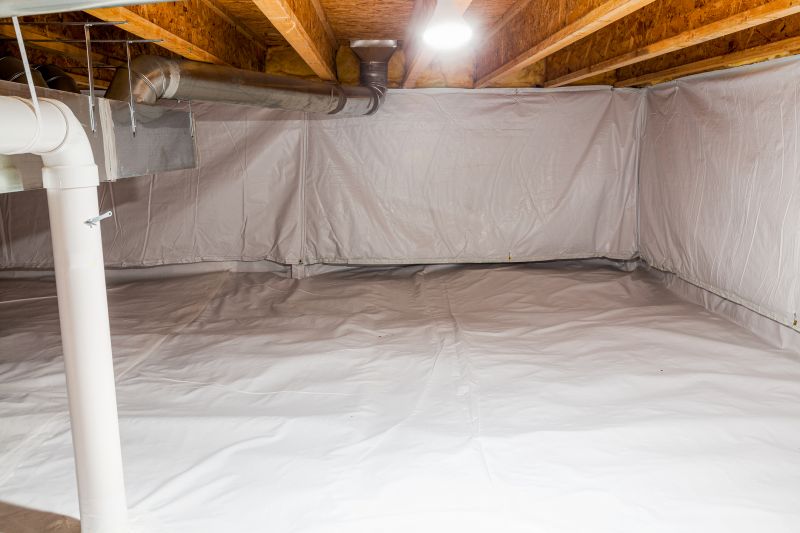
When comparing service providers for vapor barrier installation, it’s important to consider their experience with similar projects. Homeowners should look for local contractors who have a track record of successfully completing vapor barrier work in environments comparable to their own. An experienced professional can better anticipate potential challenges and ensure the installation is performed correctly, helping to avoid costly mistakes or the need for future repairs. Asking for details about past projects can provide insight into their familiarity with different building types and conditions, supporting a more informed decision.
Clear, written expectations are essential when choosing a vapor barrier installer. Homeowners should seek contractors who can provide detailed descriptions of the scope of work, materials to be used, and the installation process. Having this information in writing helps set realistic expectations and ensures everyone is aligned on the project’s goals. It also creates a record that can be referenced if questions or concerns arise during or after the work is completed, contributing to a smoother, more transparent experience.
Good communication and reputable references are key indicators of a reliable service provider. Homeowners are encouraged to ask local contractors for references from previous clients who had similar vapor barrier projects. Speaking with past customers can reveal insights into the contractor’s professionalism, reliability, and how well they communicate throughout the project. Consistent, clear communication helps ensure that the project progresses smoothly and that any questions or issues are addressed promptly. These qualities can make a significant difference in the overall satisfaction with the installation process and its outcome.
Property owners use Vapor Barrier Installation services for practical projects around their homes and businesses. This guide focuses on everyday jobs and straightforward project options.
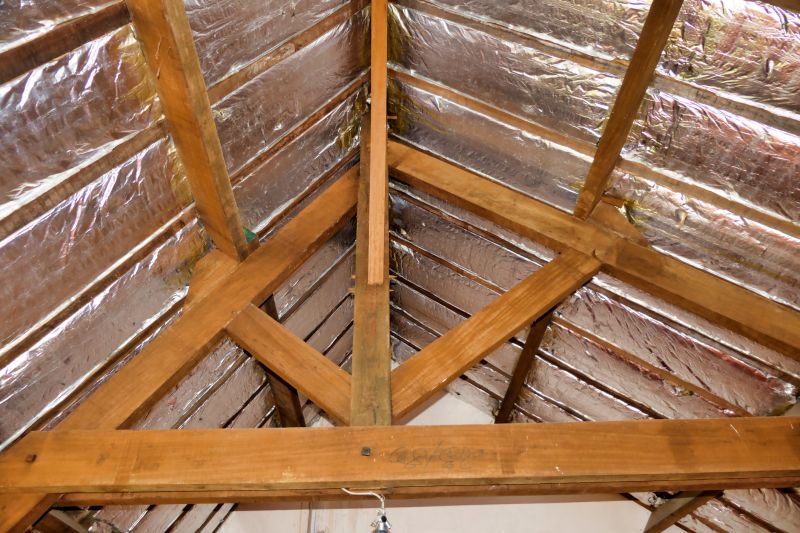
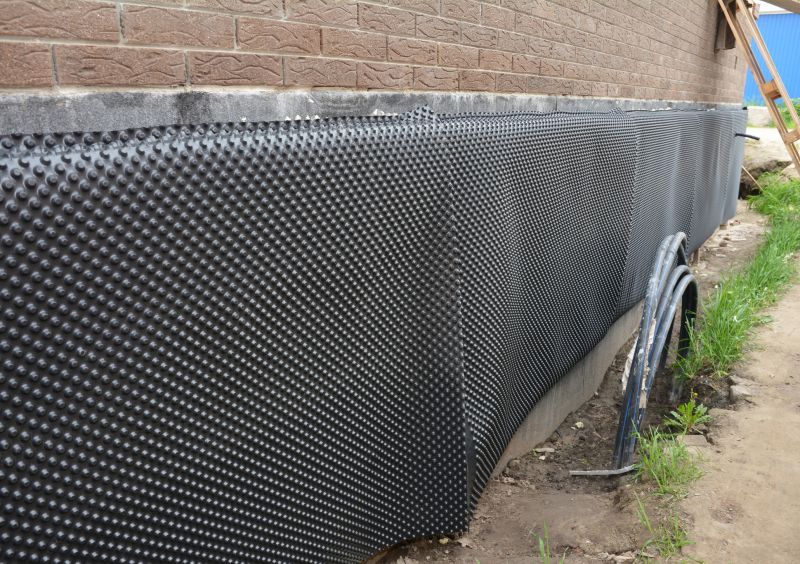
Vapor barrier installation is a common project for property owners looking to improve indoor comfort and protect their buildings from moisture-related issues. Homeowners and business owners might seek this service when dealing with excess humidity, mold growth, or dampness in basements, crawl spaces, or other areas prone to moisture buildup. Local contractors can evaluate these situations and recommend appropriate vapor barrier solutions to help maintain a healthier, more stable environment inside the property.
In addition, property owners often pursue vapor barrier installation during renovations or new construction to prevent future moisture problems. Whether upgrading an existing space or preparing a new one, local service providers can handle the installation efficiently, ensuring that the barrier is properly placed to serve its purpose. These professionals are equipped to address common concerns like condensation, wood rot, or insulation issues caused by moisture infiltration.
What is a vapor barrier, and why is it important? A vapor barrier is a material installed to prevent moisture from passing through walls or floors, helping to protect building structures and improve indoor air quality.
Where are vapor barriers typically installed in a building? Vapor barriers are commonly installed in crawl spaces, basements, and beneath flooring to control moisture levels and prevent mold growth.
What types of materials are used for vapor barrier installation? Common materials include polyethylene plastic sheeting, foil-faced membranes, and other moisture-resistant sheets suitable for various building applications.
How do local contractors determine the best vapor barrier for a project? They assess factors like climate, building design, and moisture sources to recommend the most effective vapor barrier solutions.
Can vapor barrier installation be combined with other insulation services? Yes, many service providers offer combined insulation and vapor barrier installation to enhance overall building performance.
Basement Moisture Control - Installing a vapor barrier can help prevent moisture buildup in basements, creating a drier environment for storage or additional living space.
Foundation Protection - A vapor barrier can be used to reduce ground moisture from seeping into crawl spaces, helping to maintain a stable foundation.
Garage Flooring Projects - Applying a vapor barrier beneath garage flooring can help reduce humidity and protect stored items from dampness.
New Construction Preparation - Incorporating vapor barriers during new builds can improve indoor air quality and prevent future moisture issues.
If you are thinking about Vapor Barrier Installation for a property, this guide is meant to help you understand the work, the typical project types, and how different options might fit your plans.
When you are ready, you can use the quote form on this page to share a few details about your project. From there, local pros can review the basics and respond with options that match what you have in mind.